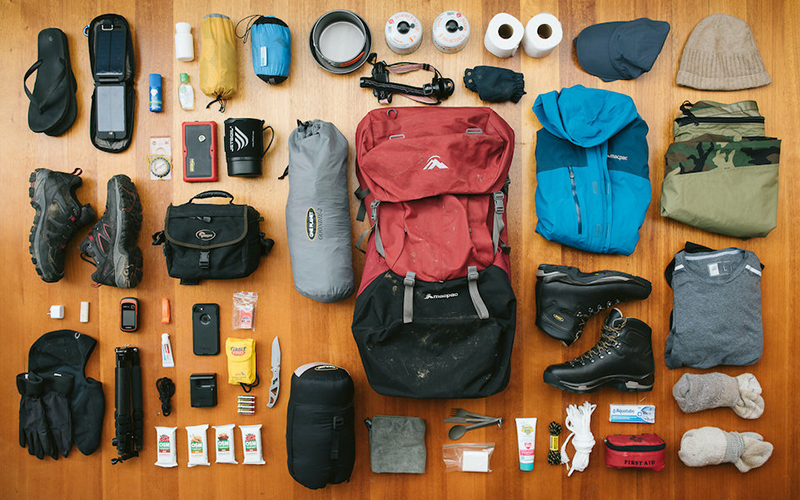
Selecting Quality Boots for Hike and Trek at High Altitude
In high mountains, your boots are more important than anything else. They bear your weight, safeguard your feet, keep you warm and provide safety on rugged surfaces. If you plan a trip to K2 Base Camp, Gondogoro La, Snow Lake or an adventure on a high mountain climb, your boots will be of immense importance.
This article describes mountaineering boots in layman’s terms: what is special about mountaineering boots, the meaning of boot ratings and tips on picking the right boots to use during the climb.
What Makes Mountaineering Boots Special?
Mountaineering footwear is made in such a way as to withstand mountainous climate. Mountaineering footwear is stronger and warmer compared to ordinary hiking shoes.
Key Differences from Regular Hiking Boots
These characteristics will ensure that you can manage and resist difficult situations and that you will stay balanced and protected in tough conditions.
Understanding Boot Ratings: B0 to B3
Mountaineering boots are divided into four groups. The letter B indicates how stiff the boot is and what type of crampons the boot can hold.
B0 Boots – Everyday Walking Boots
B0 boots are soft and comfortable boots, fitting for easy hiking only. They work great on dry paths and low-level hills.
Why they are not for high mountains:
✔ Suitable for: Easy summer walks
✖ Not suitable for: K2 region, Snow Lake or icy trails
B1 Boots – Heavy Hiking Boots
B1 boots are stiff hiking boots designed for lengthy mountain tours. They provide sufficient ankle protection and are resilient enough to withstand harsh trails and shallow snow.
They can be matched up with strap-on crampons, which makes them ideal for popular treks in Pakistan.
✔ Best for:
B2 BOOTS – WARM MOUNTAINEERING
✔ RECOMMENDED FOR:
B3 Boots – High Altitude and Technical Boots
✓ Used in:
They are very heavy, but they can ensure maximum safety and warmth.
How to Choose the Right Boot for Your Trip
Some Recommendations for Treks in Karakoram
K2 Base Camp
Best variety: B1
Terrain: Rocks, glacier, light snow
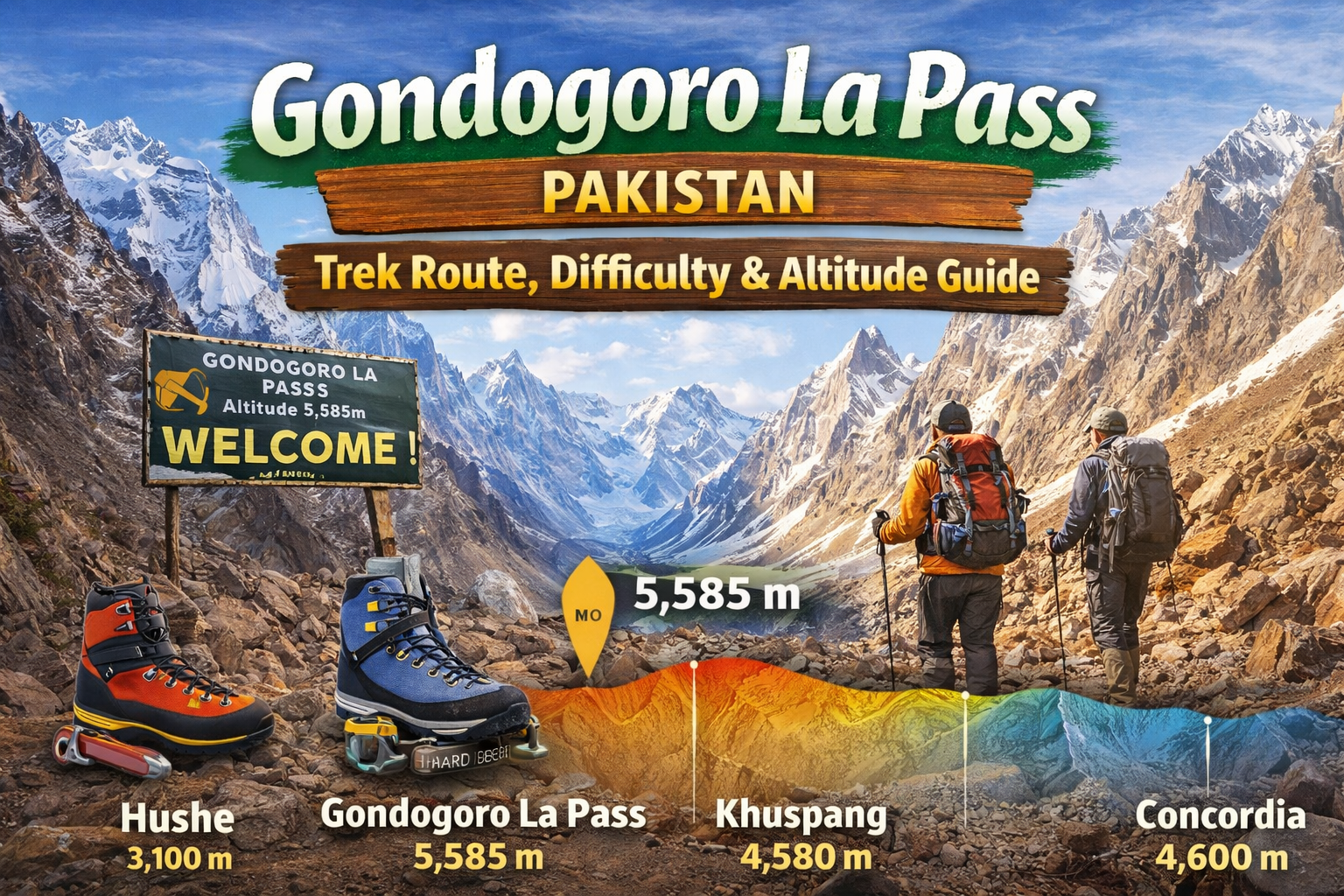
Gondogoro La
Snow Lake
Fit & Comfort Tips (Very Important)
Boot Care
Crampon Compatibility (Quick Look)
If renting crampons in Skardu, please make sure they fit your boots.
Final Advice before Purchasing
Before you select the boots for yourself, keep in mind the following:
THE FINAL WORD
There isn’t a single pair of boots that can be used everywhere in the mountains. Every trekking route requires something different. But if you have the right knowledge, you will be able to choose boots which will keep you protected, sound and steadfast in the Karakoram.
Confused on what boots you can pick?
Contact us: 5kexpeditions@gmail.com

Exceptional tours. Thoughtful service.
Quick Links
Our Best Sellers
WhatsApp Us