
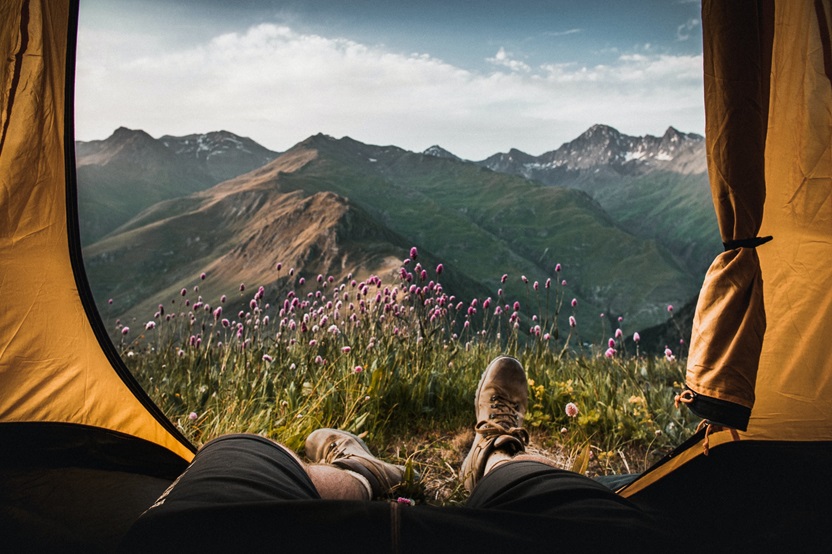
High-altitude treks and expeditions in Gilgit-Baltistan are extremely popular among foreign travelers. Treks like K2 Base Camp, Gondogoro La, Snow Lake, and Nanga Parbat attract visitors year-round, but permits, guides, and accommodations are limited, especially in peak seasons. Booking early ensures that you secure certified guides, reliable porters, and safe lodging close to your trekking routes. Early planning also gives you time to arrange your transportation to remote towns like Skardu, Hunza, or Gilgit, which may require multiple flights, jeep rides, or local transfers. Pre-booking allows for better price management and helps avoid last-minute stress, especially if weather conditions cause schedule changes. Additionally, some treks require No Objection Certificates (NOCs) for foreign nationals, which can take time to process. Planning in advance gives you ample time to handle paperwork, buy the necessary gear, and physically prepare for high-altitude trekking.
At 5K Expeditions, we always recommend starting your preparation at least 2–3 months before the trip, ensuring you have enough time for vaccinations, gear purchase, visa processing, and acclimatization planning. Early planning is the first step to a smooth and enjoyable adventure in the Karakoram.
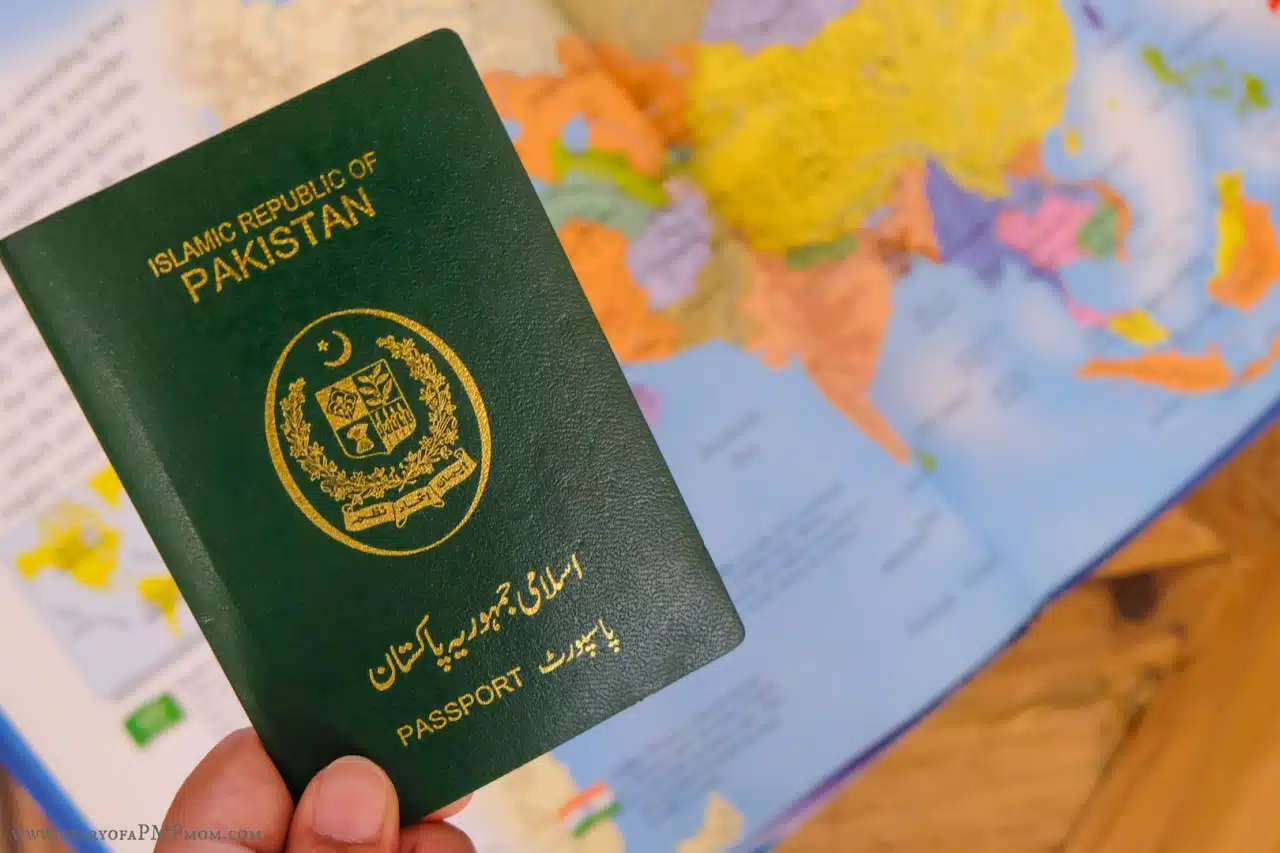
Most foreign travelers need a Pakistan tourist visa to explore Gilgit-Baltistan. Pakistan now offers a convenient online visa application system, allowing you to complete the process from home. Applying online reduces the chances of delays at border control and ensures that you have all the required documents ready before departure. It’s important to carry a digital copy of your visa approval (e-visa) along with a printed copy for security checks. The visa process generally requires passport details, recent photographs, travel itinerary, and payment of the visa fee. For high-altitude trekking routes like Gondogoro La or K2 Base Camp, it’s essential to apply at least 1–2 months in advance, as additional trekking permits may be required. Some treks require a No Objection Certificate (NOC) issued by the Ministry of Tourism, which can only be arranged once your visa is approved. Travelers should always check for updated requirements, as rules can change seasonally. Having your visa ready in advance gives peace of mind and allows you to focus on planning your gear, guides, and transport without last-minute stress.
For assistance, 5K Expeditions can guide you through the entire process and help make your trekking visa journey hassle-free.
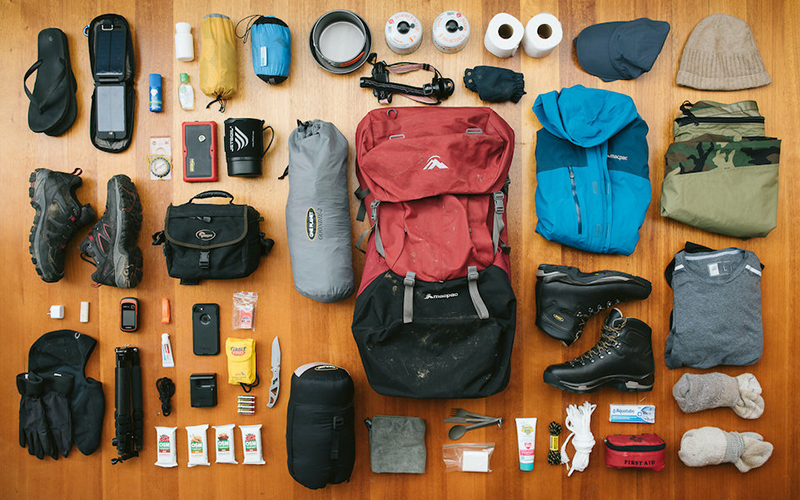
Weather in the Karakoram and other high-altitude areas can change dramatically within hours. Packing lightweight, layered clothing is crucial for comfort and safety. Trekking boots, insulated jackets, gloves, warm hats, thermal wear, and high-quality trekking socks are essential. Rain gear, windproof jackets, and sun protection (sunglasses, sunscreen, and hats) are also necessary for variable weather. Layering allows you to adjust clothing according to temperature changes during the day, whether you are hiking through glaciers, rocky paths, or forested valleys. Avoid carrying unnecessary heavy items, as trekking at high altitude is physically demanding, and every extra kilogram slows you down. For longer expeditions, waterproof bags and covers for your gear protect your belongings from snow, rain, and dust. Trekking poles, gaiters, and crampons (if applicable) are additional equipment that enhances safety. Remember, preparing your backpack strategically with essentials at the top for easy access can save you time and energy during stops.
At 5K Expeditions, we provide detailed packing checklists to ensure trekkers are ready for the challenging terrains of K2 Base Camp, Snow Lake, and Gondogoro La. Packing smart is not just convenience — it’s a safety measure for high-altitude trekking.
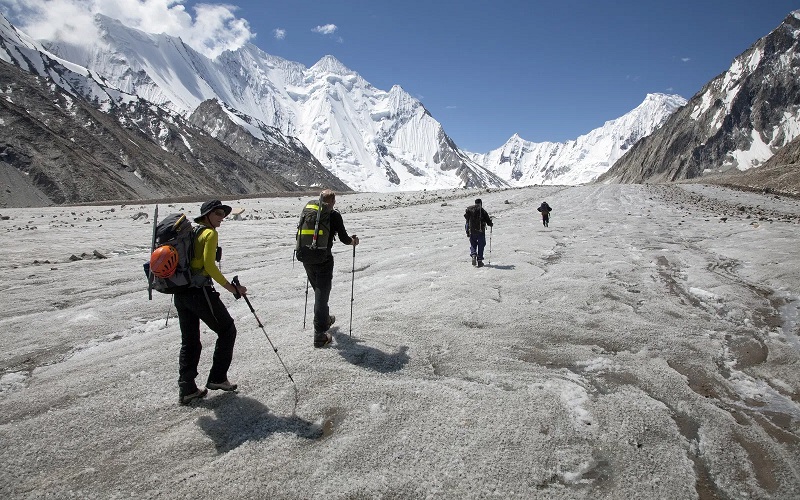
Altitude sickness is a common concern in high-altitude regions like Karakoram, Hunza, and Skardu. Spending a day or two in lower-altitude towns before starting your trek allows your body to adapt to thinner air and reduces the risk of acute mountain sickness. Walking slowly, staying hydrated, and avoiding alcohol during acclimatization is highly recommended. Trekkers should pay attention to symptoms like headaches, nausea, dizziness, or shortness of breath and descend immediately if they worsen. Starting with easier trails helps your body gradually adjust before tackling challenging paths such as Gondogoro La Pass (5,585m) or K2 Base Camp (5,150m). Proper acclimatization improves stamina and overall trekking experience.
At 5K Expeditions, we include acclimatization days in our itineraries to ensure trekkers remain healthy and enjoy every stage of the journey. Listening to your body, resting when needed, and avoiding overexertion are keys to successfully completing high-altitude treks safely.
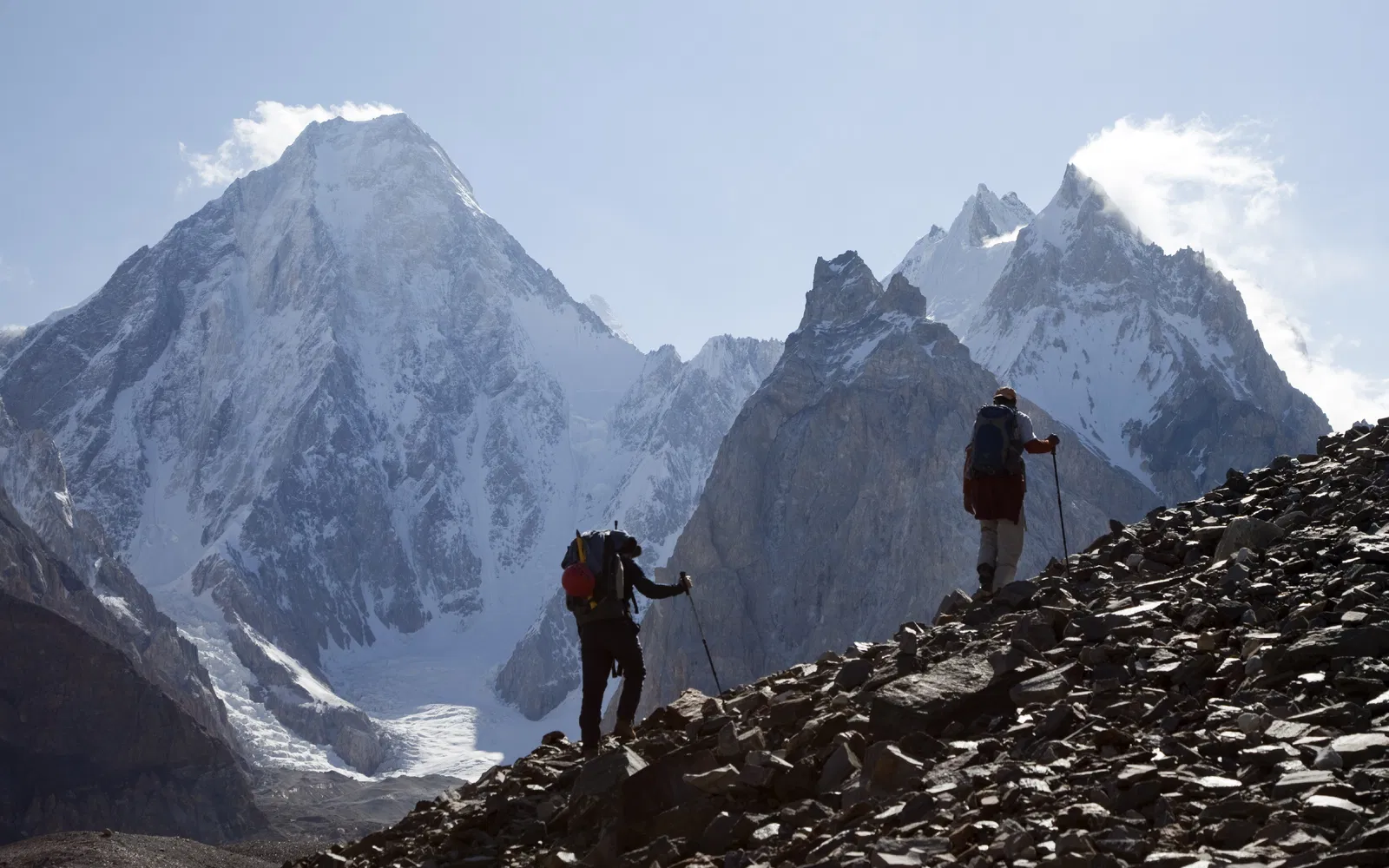
Hiring experienced local guides and porters is one of the most important decisions for trekking in Gilgit-Baltistan. Local guides have in-depth knowledge of trails, weather patterns, glacier crossings, and potential hazards, which is crucial for routes like Gondogoro La, K2 Base Camp, and Snow Lake. Porters help carry heavy gear, tents, and food supplies, making your trek safer and more enjoyable. Certified guides can assist with emergency situations, altitude sickness, and navigation, which is essential for high-altitude expeditions. For foreign travelers, hiring local support also enhances the cultural experience, as guides can explain traditions, local customs, and history along the way. Choosing trained and experienced staff reduces risk on steep slopes, icy trails, and rugged terrain.
At 5K Expeditions, we ensure our guides are licensed, knowledgeable, and fluent in English, which makes communication smooth for international trekkers. It’s important to discuss your trek itinerary with guides beforehand, including daily distances, difficulty levels, and weather contingencies. This allows them to prepare you for challenges and suggest proper rest days. Local support also helps with arranging permits, local transport, and accommodation logistics, saving you time and stress. Overall, having professional guides and porters ensures your trekking experience is not just safe but also memorable.

carry enough Pakistani Rupees in cash for food, tea houses, small shops, and emergency expenses. Small denominations are especially helpful in villages, where change may be limited. For longer treks in areas like Snow Lake or Gondogoro La, relying solely on card payments is risky. Many local lodges, guesthouses, and porters prefer cash payments. It’s wise to exchange some money in major cities before heading to remote areas, as rates may be higher or inconsistent in villages. Carrying cash also helps when purchasing local souvenirs, trekking gear, or snacks along the trail. Keep your cash in a secure pouch or money belt to avoid theft. A combination of digital payment backup and cash is ideal, but in remote trekking regions, cash is king.
At 5K Expeditions, we advise all clients to carry enough cash for 2–3 days extra in case of emergencies or sudden changes in the trekking schedule. Managing your finances carefully ensures that you can focus on your adventure without unnecessary stress.
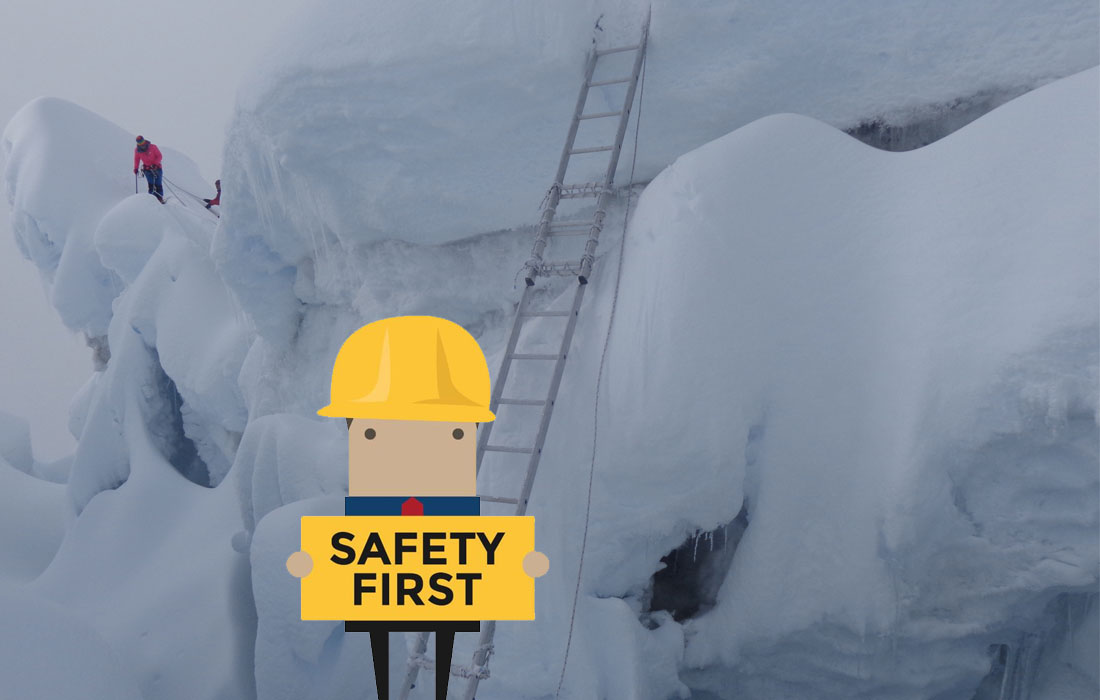
aid kit, altitude sickness medication, bandages, painkillers, and antiseptic supplies. Water purification tablets or portable filters are essential to prevent dehydration or waterborne illnesses. Sunscreen, sunglasses, and lip balm protect you from harsh UV rays, especially on glaciers or snow-covered trails. Eating balanced meals, drinking plenty of water, and resting regularly are crucial for endurance and safety. Avoid alcohol and heavy meals before high-altitude trekking, as they can affect acclimatization. Pay attention to early symptoms of altitude sickness, including dizziness, nausea, and headaches. If symptoms worsen, descending to lower altitudes immediately is necessary.
Trekking poles, gloves, gaiters, and crampons enhance safety on icy or rocky terrain. At 5K Expeditions, we provide guidance on what medications and safety equipment are mandatory for different treks. Ensuring your physical health, proper nutrition, and protective gear will make your journey safe, comfortable, and enjoyable.
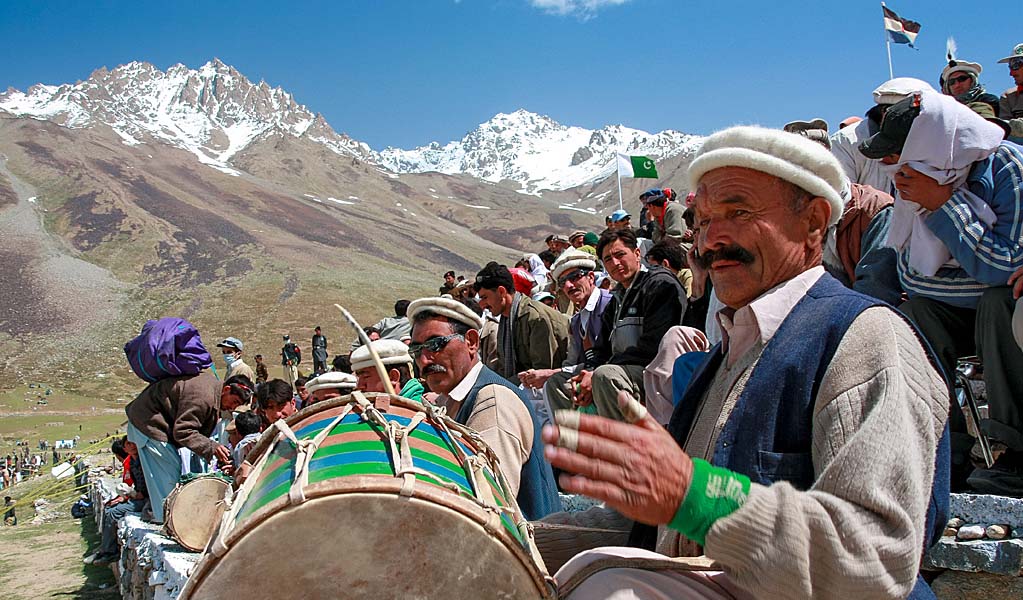
Gilgit-Baltistan is rich in culture, traditions, and religious practices. Dress modestly, especially in villages and religious sites. Ask permission before taking photographs of people, homes, or sacred sites. Learning a few basic phrases in local languages such as Shina, Balti, or Urdu can improve interactions and create a positive experience. Be mindful of local customs regarding food, social behavior, and greetings. Support local businesses by purchasing souvenirs and local handicrafts rather than imported items. Avoid actions that might unintentionally offend, such as loud behavior, littering, or disregarding sacred areas. Respecting local culture enhances your trekking experience and builds good relationships with communities along the trails.
Guides from 5K Expeditions always provide cultural briefings to ensure travelers are aware of local etiquette and norms. Observing these practices not only shows respect but also makes your journey more immersive and rewarding. Engaging positively with locals can also provide unique insights into the region’s history and lifestyle.

Trekking in Gilgit-Baltistan involves high-altitude risks, unpredictable weather, and remote locations, making travel insurance essential. Your insurance should cover trekking, mountaineering, medical evacuation, and accident-related expenses. Share your trekking itinerary with friends, family, or your guide company so that someone is aware of your location. Carry a local SIM card or satellite phone for emergency communication, especially in areas with no mobile network. Learn basic safety protocols for snow, glacier, or ice travel. In case of emergencies, certified guides can contact rescue services, hospitals, or nearby police stations quickly.
At 5K Expeditions, we prioritize emergency planning and provide safety briefings before every trek. Having a well-prepared insurance plan and emergency strategy ensures peace of mind, allowing you to enjoy the adventure without unnecessary stress. Planning for contingencies is as important as packing boots or jackets — it could save lives.

Protecting Gilgit-Baltistan’s environment is a responsibility for all trekkers. Avoid littering and carry back all waste, including biodegradable items like food wrappers. Respect wildlife by observing from a distance and avoiding disturbance to habitats. Support local communities by using eco-friendly lodges, local guides, and village restaurants. Minimize the use of disposable plastics by bringing reusable bottles and utensils.
Choose trekking companies like 5K Expeditions that follow sustainable practices, such as camping responsibly, leaving minimal impact, and educating trekkers about eco-friendly behavior. Sustainable tourism ensures that the region remains pristine for future travelers while providing economic benefits to locals. Learning about local flora, fauna, and geography enhances your adventure experience. By practicing responsible tourism, you contribute to conservation efforts and preserve the cultural and natural heritage of the Karakoram. Every small action, from recycling to respecting local customs, makes a big difference in protecting these beautiful mountains.